Asbestos and Lung Cancer: What the Research study Shows
Research reveals breathed in asbestos fibers can create lung cancer cells by coming to be trapped deep in your lung cells, triggering persistent inflammation, oxidative tension, and long lasting DNA damages. Also low-level or quick exposures may boost your risk, specifically if you smoke, considering that there's a well-documented synergistic impact. Non-small cell lung cancer is most generally linked, but other kinds may happen. Identifying early indications and understanding progressing danger elements are vital— stick with us to find vital prevention and surveillance referrals.
Takeaways
- Breathed in asbestos fibers create persistent lung swelling, DNA damages, and substantially enhance the danger of lung cancer cells, especially after extended or extreme exposure.
- There is no well-known secure level of asbestos direct exposure; threat increases with advancing dose, fiber kind, and period of get in touch with.
- Cigarette smoking integrated with asbestos direct exposure magnifies lung cancer cells danger much past either danger variable alone due to synergistic results.
- Job-related and ecological exposures remain typical, especially in older buildings, building, and sectors handling asbestos-containing materials.
- Early discovery, regular wellness monitoring, and strict direct exposure controls are essential for those with well-known or presumed asbestos exposure.
Just How Does Asbestos Exposure Cause Lung Cancer?
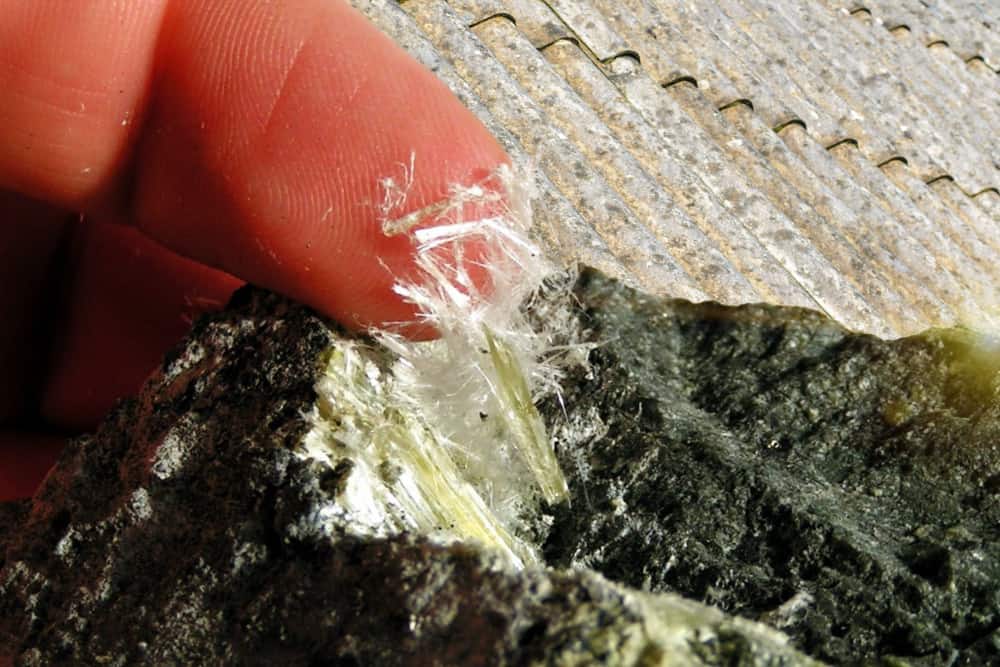
Although asbestos fibers are naturally occurring minerals, when inhaled, they can become lodged deep within the lung cells. You're revealed to these microscopic fibers mainly through occupational or environmental sources. As soon as inside, fiber deposition takes place along the breathing tract, particularly in the alveoli, where gas exchange takes place. Your body's immune response attempts to get rid of these fibers, but it's frequently inadequate as a result of their longevity and form. Consistent fiber retention brings about persistent swelling, creating reactive oxygen varieties and cytokines. In time, this microenvironment generates cellular anxiety and at some point DNA damage. DNA mutations build up, hindering cellular repair work systems and promoting unregulated cell proliferation. This waterfall of events raises your risk for malignant change of lung epithelial cells, therefore initiating the pathogenesis of lung cancer.
Just How Much Asbestos Direct Exposure Increases Your Cancer Cells Danger?
While it's clear that asbestos fibers can launch the biological processes resulting in lung cancer, the level of threat relies on several exposure-related factors. You'll discover that both the focus of air-borne fibers and the advancing period limits play crucial functions in figuring out cancer cells threat. Even short but extreme direct exposures can be hazardous, though the majority of data indicate that prolonged, repetitive call with asbestos noticeably boosts the incidence of malignancy. There's no universally approved “risk-free” degree of exposure; threat escalates with both time and fiber density. In addition, your genetic susceptibility might regulate general vulnerability, as particular genotypes affect private DNA repair work capacity and inflammatory reactions. Ultimately, comprehending your personal threat account needs evaluating direct exposure frequency, fiber kind, duration thresholds, and any type of underlying hereditary susceptibility you might have.
Does Smoking Cigarettes Make Asbestos Direct Exposure Much More Hazardous?
If you smoke and have a background of asbestos exposure, your danger of developing lung cancer cells isn't simply additive— it's synergistically enhanced. Research study demonstrates a powerful cigarette synergy, where combined exposure to tobacco and asbestos substantially enhances carcinogenic potential. Nicotine swelling even more heightens mobile vulnerability, increasing deadly transformation. Mechanistically, both representatives harm pulmonary clearance and advertise DNA damages, making disease development more probable.
- Cigarette synergy with asbestos can boost lung cancer threat up to 50-fold contrasted to non-smokers without exposure.
- Nicotine inflammation aggravates persistent respiratory system irritation, compounding cancer causing results.
- Asbestos fibers and cigarette particulates both cause genotoxic tension, overwhelming mobile repair service devices.
- Smoking cigarettes hold-ups mucociliary clearance, enabling asbestos fibers to continue and cause further damages. view services
- Epidemiological proof consistently shows elevated cancer occurrence in people with consolidated direct exposures.
What Kinds Of Lung Cancer Are Linked to Asbestos?
Amongst the malignancies related to asbestos direct exposure, lung cancer encompasses numerous histological subtypes, with non-small cell lung carcinoma (NSCLC)— especially adenocarcinoma and squamous cell carcinoma-– being most frequently recorded. If you've run into asbestos, you go to a raised danger for these NSCLC subtypes due to the fiber-induced chronic swelling and cellular damages. Tiny cell lung carcinoma (SCLC) can also take place, but it's much less frequently connected to asbestos compared to NSCLC. Asbestos pleuralosis, which involves fibrotic modifications in the pleura, often exists together with these hatreds and might serve as a radiologic pen of previous exposure. It's important to recognize that occupational latency-– the time between exposure and disease indication— can span years, making recurring monitoring essential for people with substantial asbestos call.
What Do Current Researches Say Regarding Asbestos and Lung Cancer Cells Risk?
Although asbestos has actually long been acknowledged as a potent health hazard, recent epidemiological studies have better clarified its dose-dependent connection with lung cancer risk. You'll discover that the most recent study leverages molecular tools and advanced direct exposure biomarkers to offer even more accurate threat assessments. Investigators now emphasize gene-environment interactions-– especially, how asbestos genes regulate individual susceptibility. Right here's what existing evidence highlights:
- Quantitative analyses validate that advancing asbestos exposure associates with a proportional increase in lung cancer occurrence.
- Polymorphisms in DNA fixing genes may intensify risk in subjected populations.
- Unique direct exposure biomarkers, like product mesothelin-related proteins, enhance very early detection.
- Asbestos genetics research study sustains integrating genetic screening in occupational health and wellness.
- Studies emphasize the collaborating result of asbestos exposure with cigarette usage, dramatically boosting lung cancer danger.
Where Does Asbestos Direct Exposure Still Happen Today?
You're still in jeopardy for asbestos direct exposure in numerous contexts, particularly if you operate in construction, shipyards, or making where legacy products are existing. Environmental resources, such as contaminated soil or normally happening asbestos, likewise contribute to continuous exposure threats. In addition, you need to know that older structures often contain asbestos in insulation, flooring, or roofing products, increasing prospective risks throughout remodelling or demolition.
Occupational Hazards Remain Prevalent
In spite of rigorous guidelines in numerous countries, work asbestos direct exposure still takes place in numerous risky sectors worldwide. You need to be conscious that despite enhanced workplace safety and security protocols and direct exposure monitoring systems, certain markets stay prone. Workers in these settings deal with increased danger of breathing in asbestos fibers, which are strongly connected to lung cancer and various other respiratory system conditions. Regular threat analyses and conformity with updated security criteria are crucial, yet lapses linger. artex removal specialists
Typical job-related setups where asbestos exposure stays common include:
 * Building and demolition of older structures
* Shipbuilding and ship repair facilities
* Manufacturing of asbestos-containing products
* Automotive brake and clutch service center
* Upkeep operate in centers with legacy asbestos insulation
* Building and demolition of older structures
* Shipbuilding and ship repair facilities
* Manufacturing of asbestos-containing products
* Automotive brake and clutch service center
* Upkeep operate in centers with legacy asbestos insulation
Positive direct exposure monitoring and stringent adherence to work environment safety and security standards are critical to minimize your risk.
Environmental Resources of Exposure
While occupational setups continue to be a key worry, asbestos exposure isn't restricted to the workplace. You may come across environmental contamination in areas near previous mining websites, waste disposal centers, or areas where asbestos-containing materials have deteriorated outdoors. Asbestos fibers can end up being airborne, and ambient surveillance programs are important for detecting their existence in the environment. Secondary direct exposure can likewise happen if you live near sites where asbestos was refined or if all-natural down payments exist in the dirt. Researches indicate that even low-level, non-occupational direct exposure can increase your life time danger for asbestos-related diseases, including lung cancer cells. Ecological wellness companies stress the necessity of continuous ambient surveillance to determine hotspots and execute removal techniques. Alertness in acknowledging environmental resources of asbestos is vital for efficient public wellness security.
Dangers in Older Buildings
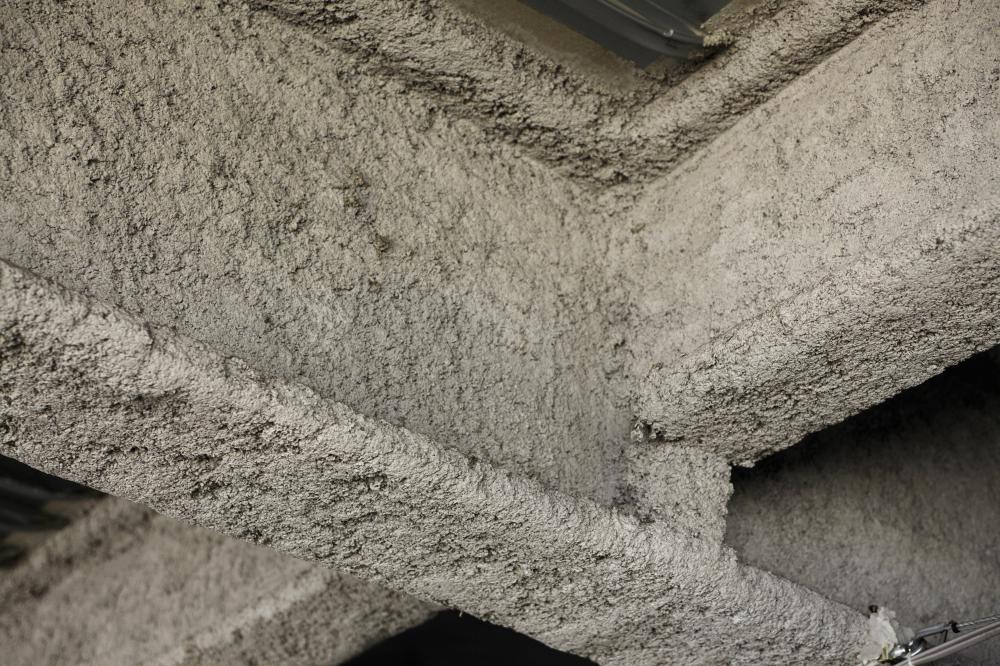
Within the constructed environment, older buildings created before the 1980s frequently harbor asbestos-containing materials (ACMs) in insulation, floor ceramic tiles, roof covering, and pipeline treatments. If you're associated with historical restorations or constructing inspections, you need to recognize that troubling these ACMs can release hazardous asbestos fibers right into the air, raising the risk of direct exposure and succeeding lung cancer. Even minor repairs or remodellings can interfere with these products, offering work-related and ecological wellness threats. learn more To secure on your own and others, it's vital to recognize high-risk locations and implement strict control procedures.
- Insulation around boilers and pipes in basements
- Asbestos concrete roof covering and siding sheets
- Vinyl flooring ceramic tiles and glue mastics
- Textured paints and patching substances
- Splashed fireproofing coatings on architectural steel light beams
What Are the Indicators of Asbestos-Related Lung Cancer?
Although asbestos-related lung cancer cells can originally offer without noticeable signs and symptoms, it's essential to recognize very early indication that warrant further analysis. You might experience consistent cough, hemoptysis (coughing up blood), inexplicable weight management, or breast discomfort-– professional symptoms that should motivate very early discovery initiatives. Sign recognition is made complex by analysis obstacles, as these indications usually overlap with other respiratory illnesses. Dyspnea (shortness of breath), hoarseness, and recurring respiratory infections are added signs that should not be overlooked. Advanced condition might present with electronic clubbing or pleural effusion, which are considered poor prognosis indications. If you're at threat due to prior asbestos direct exposure, caution for these symptoms is critical. Timely recognition might cause earlier intervention and enhanced results, underscoring the significance of scientific watchfulness and person understanding.
Exactly How Can You Reduced Your Threat of Asbestos-Linked Cancer Cells?
Provided the established causal relationship in between asbestos exposure and lung carcinogenesis, minimizing contact with asbestos fibers is essential to take the chance of decrease. You can markedly decrease your threat by sticking to evidence-based direct exposure avoidance approaches and taking part in routine asbestos screening if you're at boosted risk. Work-related security methods, ecological controls, and individual safety devices are necessary. It's important to recognize possible asbestos-containing materials in your setting and avoid disturbing them. Take into consideration these targeted preventative measures:
- Comply with work environment safety and security guidelines and use certified respiratory security.
- Schedule routine asbestos testing if you have a background of occupational direct exposure.
- Make certain correct reduction procedures are executed by accredited specialists.
- Avoid areas with known or presumed asbestos contamination.
- Inform yourself and others about the health and wellness threats and early indication of asbestos exposure.
What Should You Do If You've Been Revealed to Asbestos?
After verified or suspected asbestos exposure, prompt action is critical to mitigate health and wellness threats. Initially, you need to inform your medical care supplier regarding the direct exposure information, including period and intensity. Evidence-based guidelines advise enrolling in a medical tracking program that consists of routine chest imaging and lung function examinations. Early detection of asbestos-related pathologies like asbestosis or malignancy can boost management results. Prevent additionally exposure by adhering to workplace safety and security procedures and using personal safety equipment.
In addition, you ought to document your direct exposure conditions, as this info is necessary if you consider lawful alternatives. Several jurisdictions provide payment for occupational asbestos exposure, so talk to an attorney skilled in harmful torts. Do not postpone these actions— prompt clinical monitoring and discovering lawful alternatives can be essential for your lasting wellness and legal rights.
Regularly Asked Inquiries

Can Asbestos Direct Exposure Cause Cancers Various Other Than Lung Cancer?
Yes, asbestos direct exposure can result in cancers beyond the lungs. You'll face an elevated mesothelioma cancer danger, specifically deadly pleural mesothelioma cancer, which comes from the lining of the lungs or abdominal areas. Scientific proof also links asbestos to gastrointestinal cancers cells, such as colon and stomach cancer cells. Epidemiological studies indicate that chronic asbestos direct exposure raises your possibility of establishing these hatreds, highlighting the value of lessening work and environmental asbestos call for cancer avoidance. https://poplarasbestosremoval.co.uk/services/refurbishment-demolition-survey.html
Exist Safe Levels of Asbestos in Alcohol Consumption Water?
There's no generally agreed-upon safe level of asbestos in drinking water, however regulatory firms like the EPA set maximum impurity levels (asbestos restrictions) to decrease health threats. Existing guidelines recommend that water security is kept when concentrations do not go beyond 7 million fibers per litre longer than 10 micrometers. You must know that lasting ingestion at greater levels might present health and wellness dangers, so water screening and adherence to these asbestos restrictions is essential.
How Is Asbestos Identified in Residence or Workplaces?
You discover asbestos in homes or work environments by collecting air samples, by performing mass testing of building products, and by making use of stage comparison microscopy or transmission electron microscopy for fiber recognition. Air tasting measures airborne fibers, while mass testing examines suspected products for asbestos content. You'll need certified experts to guarantee proper chain of wardship, specific example handling, and exact lab evaluation, every one of which are important for trustworthy discovery and compliance with safety and security policies.
What Jobs Are The Majority Of in jeopardy for Asbestos Exposure? https://poplarasbestosremoval.co.uk
You're most in jeopardy for asbestos exposure if you function in settings where asbestos-containing products prevail. Construction workers face substantial risk throughout demolition, restoration, or maintenance of older structures as a result of disrupted asbestos insulation, floor covering, or roofing. Automotive auto mechanics are also vulnerable, particularly when managing brake cellular linings, clutches, and gaskets consisting of asbestos fibers. Job-related wellness standards suggest stringent personal safety devices and design controls to reduce inhalation of air-borne asbestos fibers in these setups.
Can Household Members of Exposed Employees Be Affected?
Yes, you can be influenced— even research studies show up to 20% of mesothelioma cases entail secondary exposure. When workers bring asbestos fibers home on clothes, shoes, or tools, household contamination happens. This indirect exposure noticeably boosts your risk for asbestos-related diseases. Evidence shows that repeated call with polluted items can result in inhalation of unsafe fibers, highlighting the relevance of decontamination procedures to safeguard relative from long-lasting health consequences.